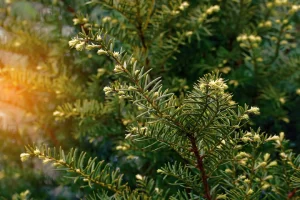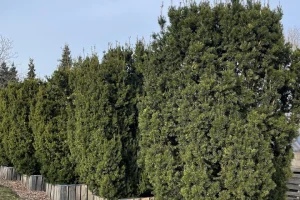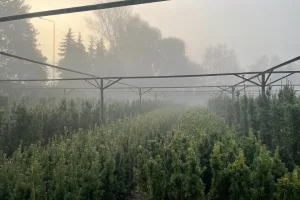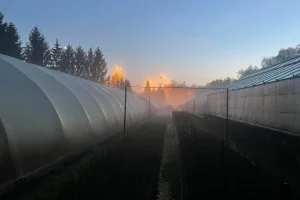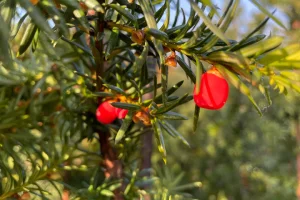
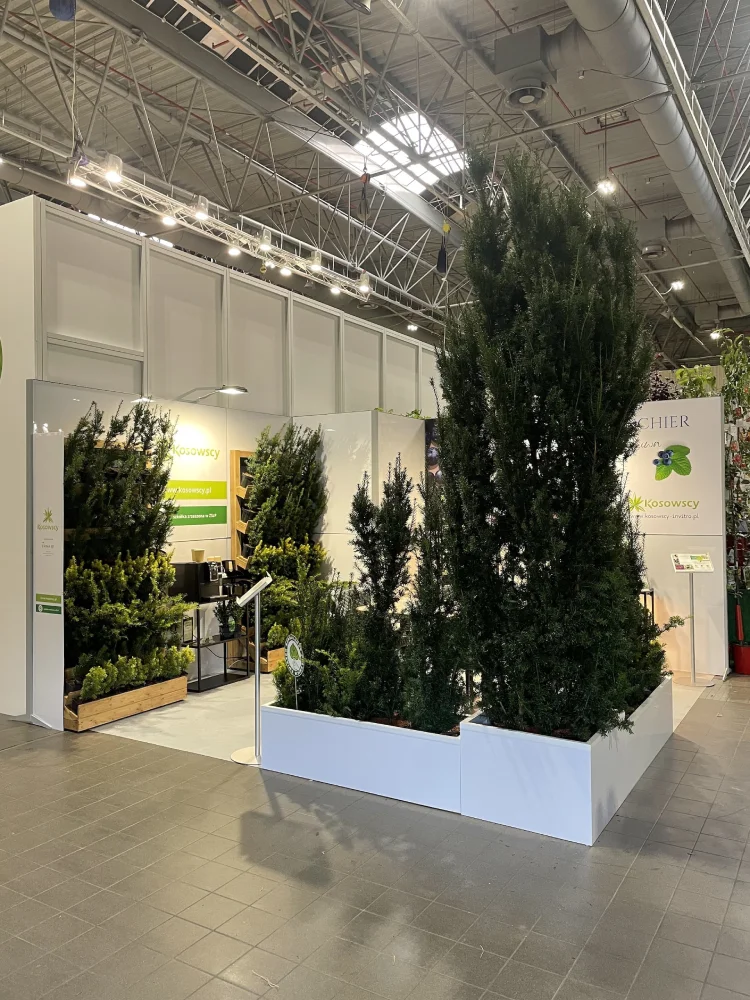
Kosowscy Garden Farm — family nursery with traditions since 1948. Since the planting of the first Hicksii yew in 1968, the production of yews has become our specialization.
In 1985, a modern in vitro tissue culture laboratory was established, which operates to this day alongside the nursery, ensuring precise plant propagation. In the 1990s, we expanded our range with rare and unusual varieties of gerbera and phalaenopsis. Since 2000, we have been modernizing the ornamental plant department, constantly expanding the collection of trees and shrubs.
Since 2020, we have been focusing on the micropropagation of new plant species, especially trees and ornamental/fruit shrubs. Our clients inspire us to develop and improve.
We are members of the Union of Polish Nurserymen and international organizations (ENEA, AIPH). We cooperate with clients throughout Europe, adapting our offer to their needs.
| Name | Container | Height (cm) |
|---|---|---|
| Buxus sempervirens | C2 | 40-50 |
| Ilex crenata 'Caroline Upright’ | C2 | 20-30 |
| Ilex crenata 'Hetzii’ | C2 | 20-30 |
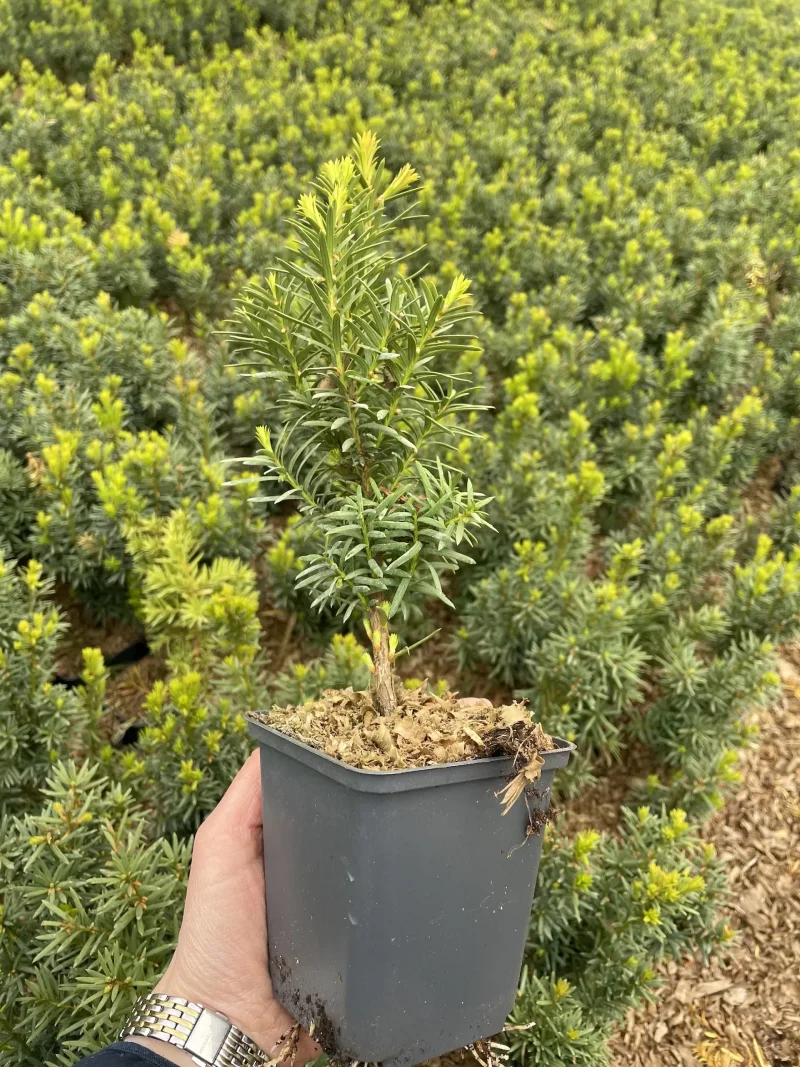
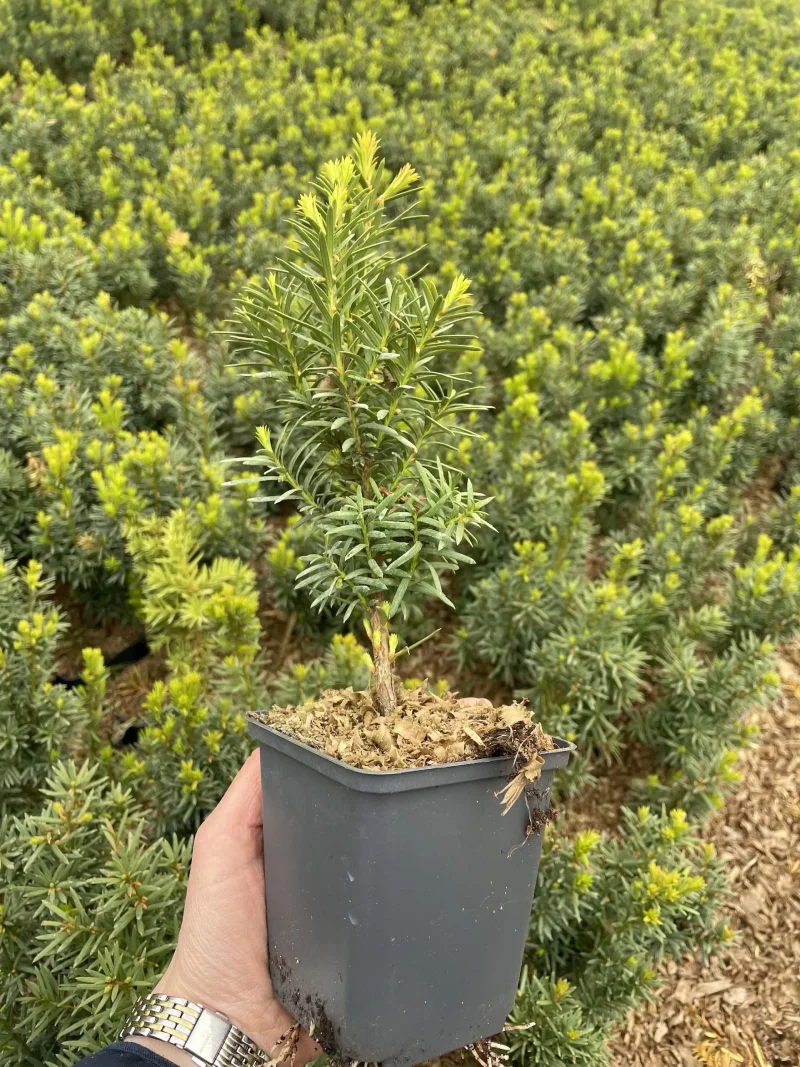
| Taxus baccata 'Summergold’ | C2 | 30-40 |
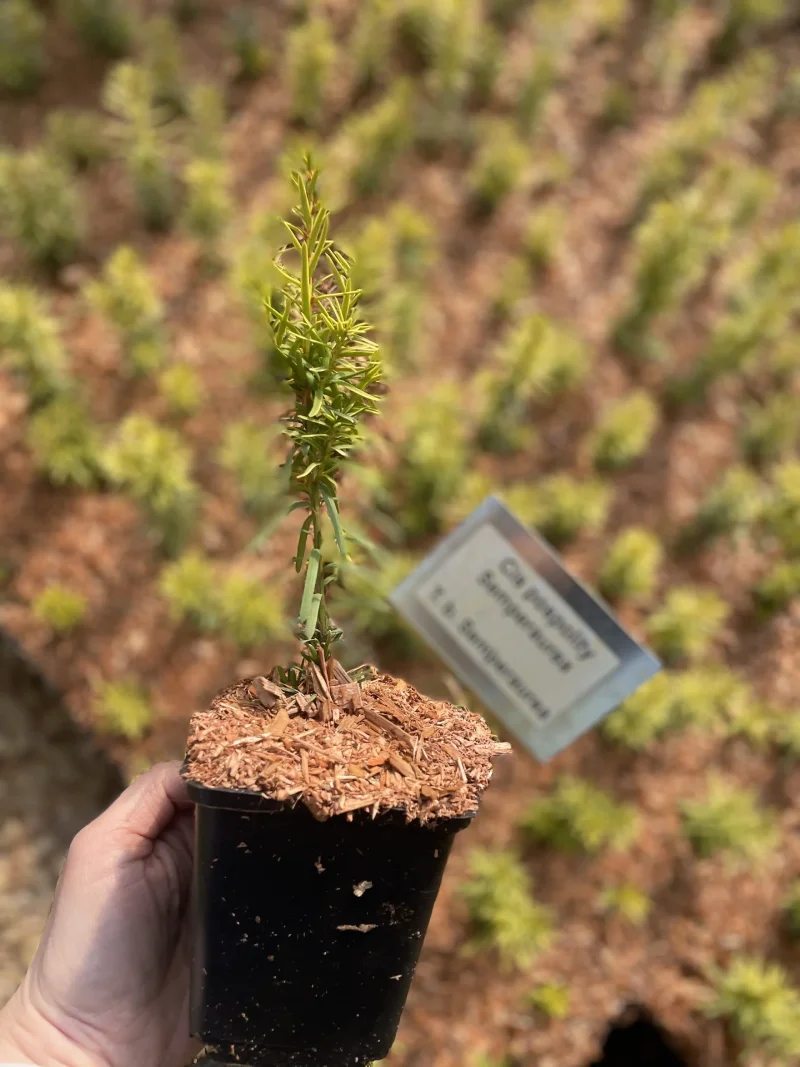
| Taxus baccata 'Semperaurea’ | C2 | 30-40 |
| Taxus x media 'Hicksii’ | C2 | 40-50 |
| Taxus x media 'Hicksii’ | C5 | 60-80 |
| Taxus x media 'Hicksii’ | C5 | 80-100 |
| Taxus x media 'Hicksii’ | C7,5 | 100-120 |
| Taxus x media 'Hicksii’ | C20 | 100-120 |
| Taxus x media 'Hicksii’ | C20 | 120-140 |
| Taxus x media 'Hicksii’ | C20 | 140-160 |
| Taxus x media 'Hicksii’ | C40 | 160-180 |
| Taxus x media 'Hicksii’ | C60 | 160-180 |
| Taxus x media 'Hicksii’ | C100 | 160-180 |
| Taxus x media 'Hicksii’ | C40 | 180-200 |
| Taxus x media 'Hicksii’ | C60 | 200-220 |
| Taxus x media 'Hicksii’ | C60 | 220-250 |
| Taxus x media 'Hicksii’ | C80 | 270-300 |
| Taxus x media 'Hicksii’ | C250 | 300-320 |
| Taxus x media 'Hicksii’ | C1000 | 370-400 |
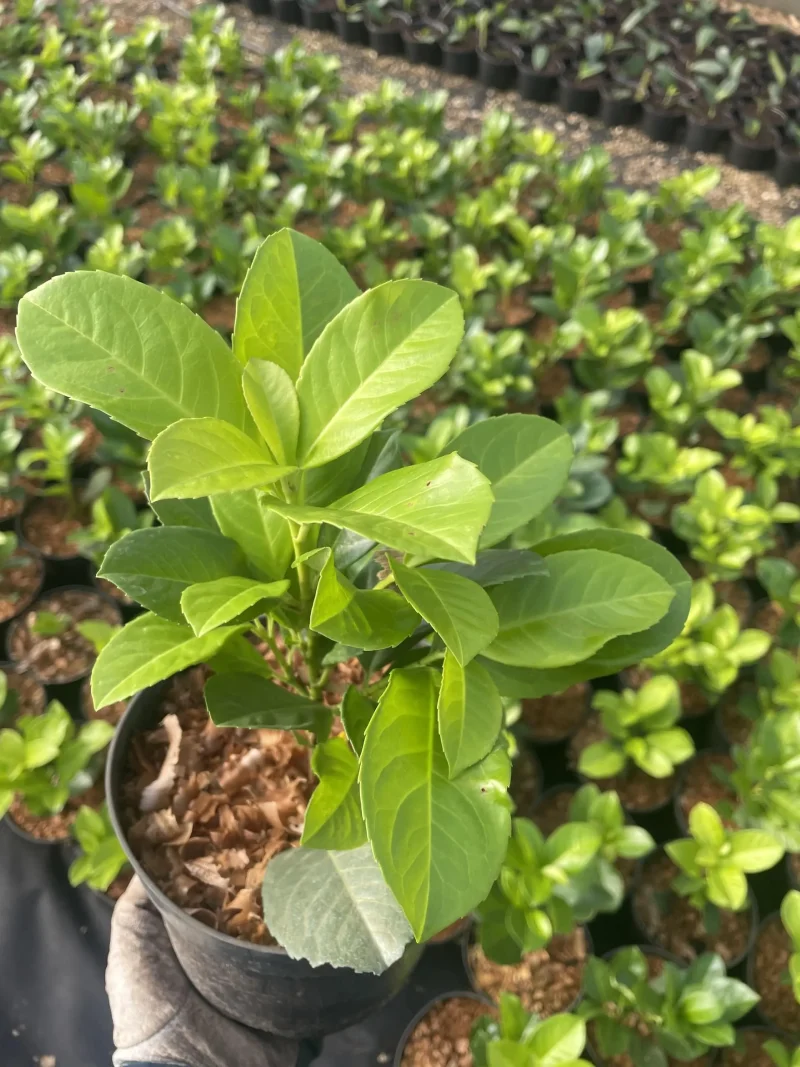
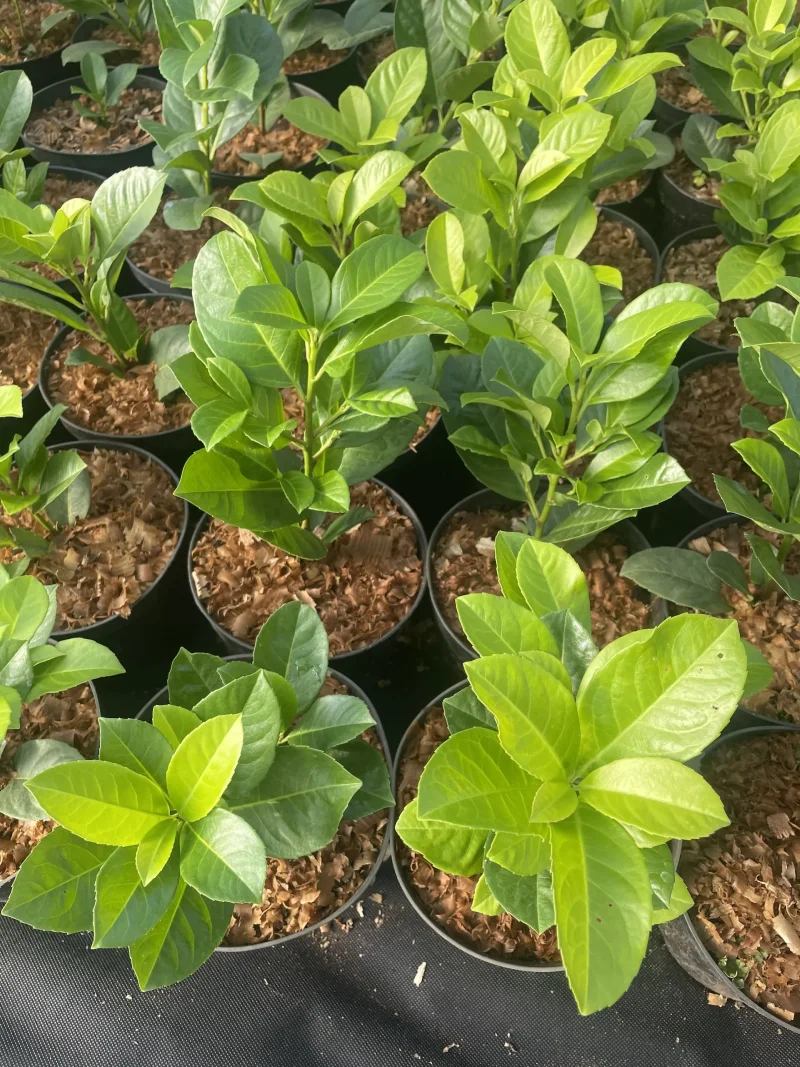
| Prunus laurocerasus 'Novita’ | C2 | 20-30 |
| Prunus laurocerasus 'Rotundifolia’ | C2 | 20-30 |
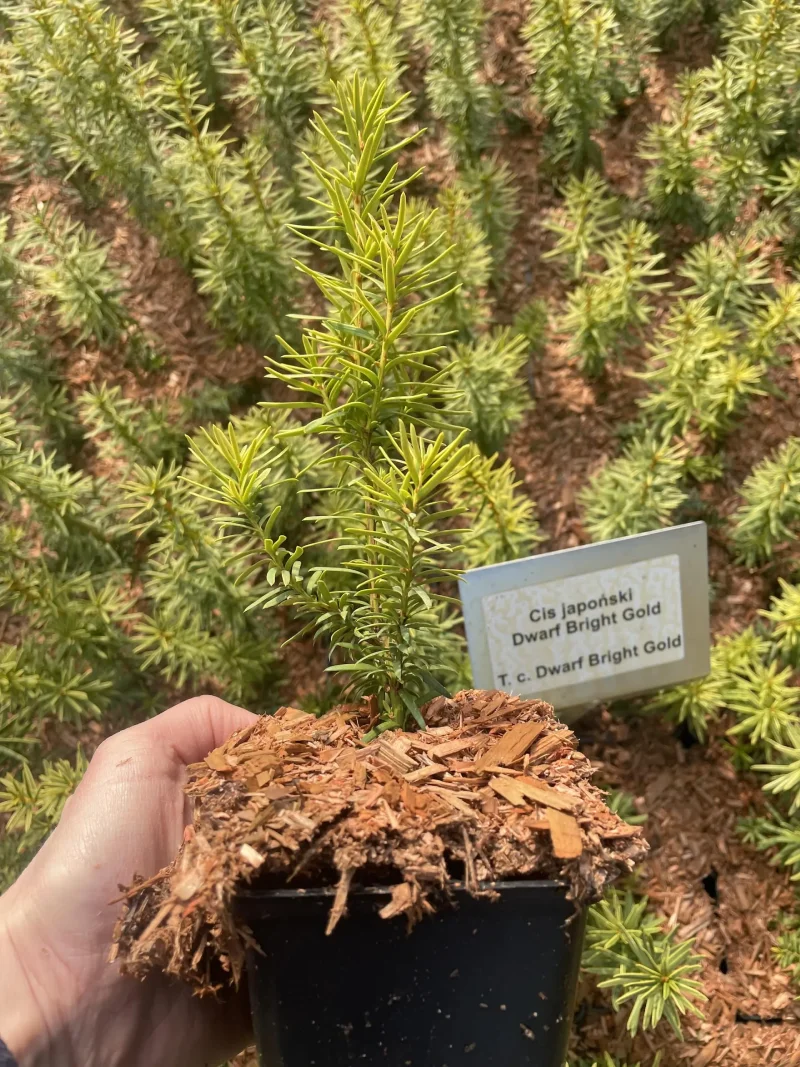
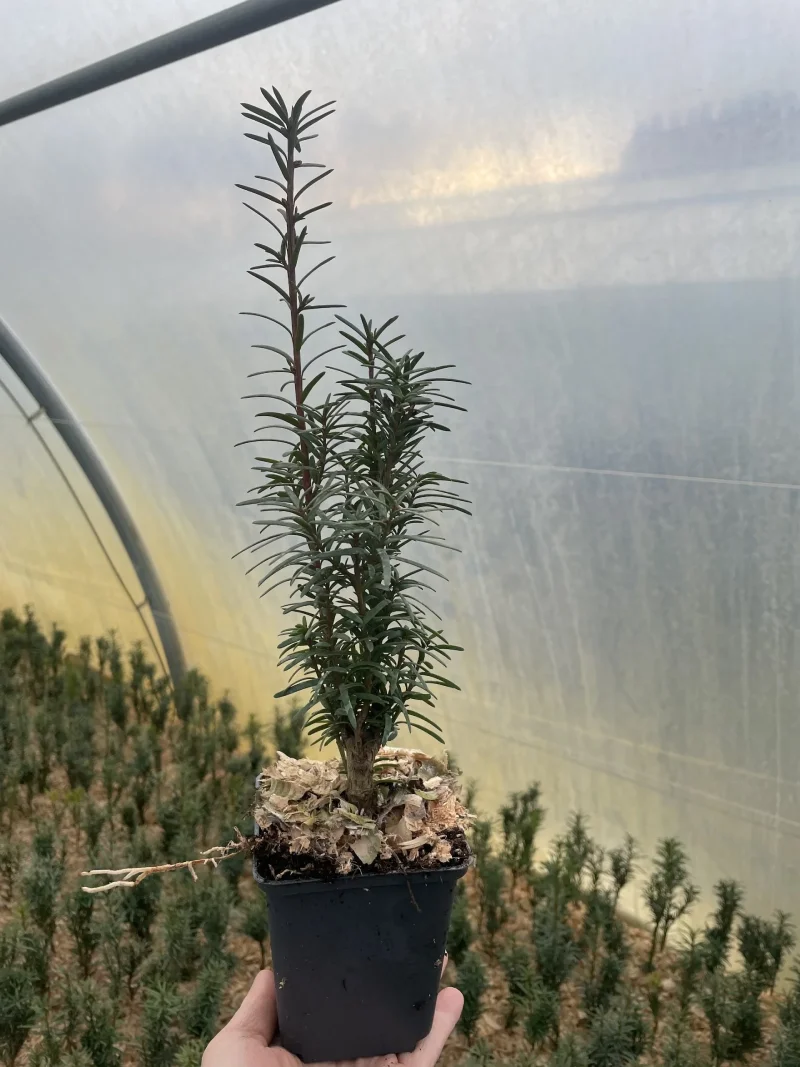
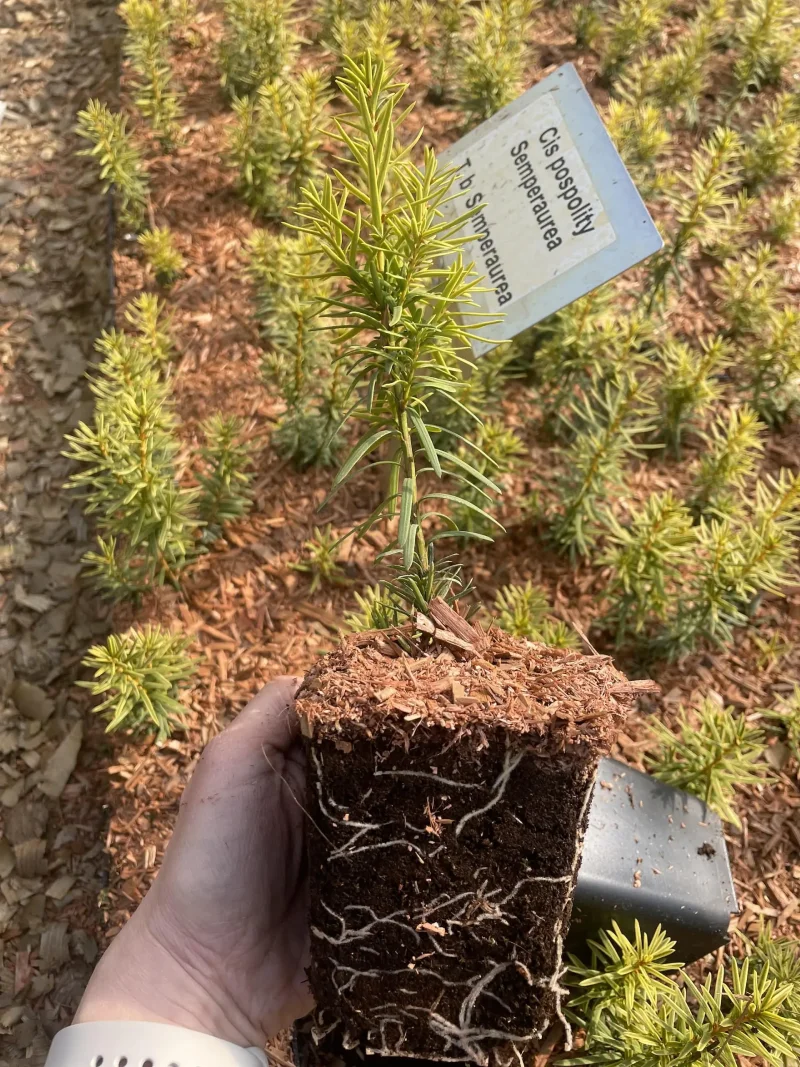
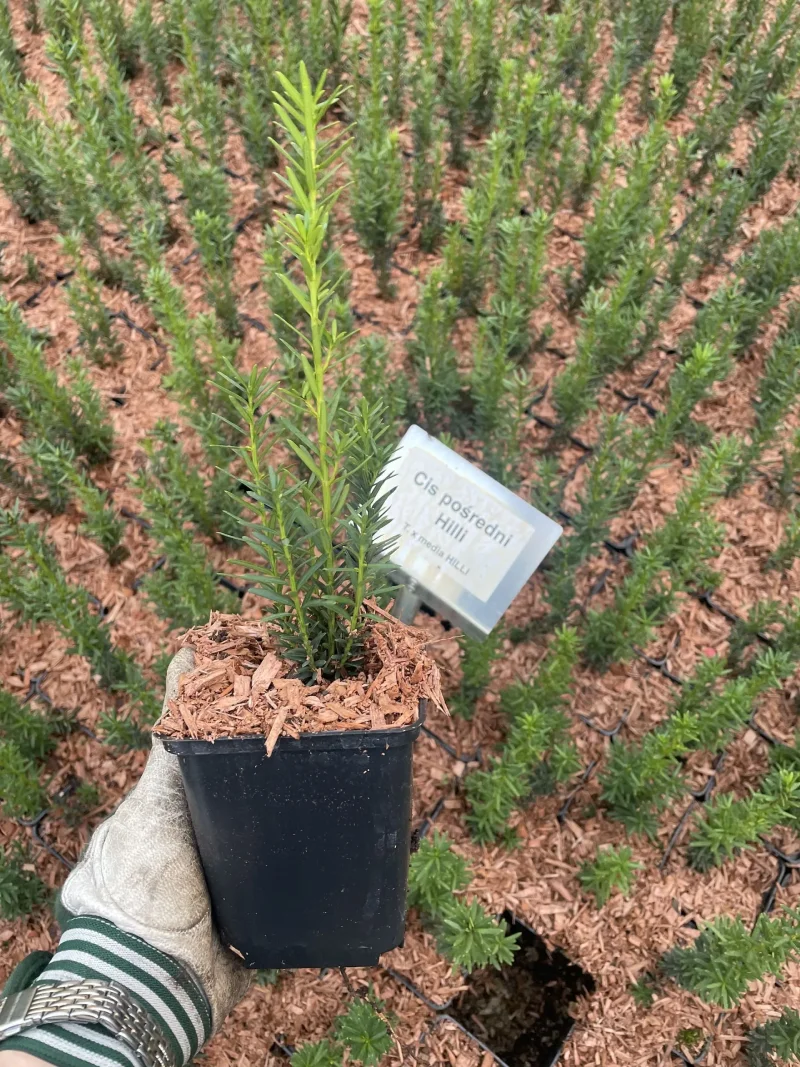
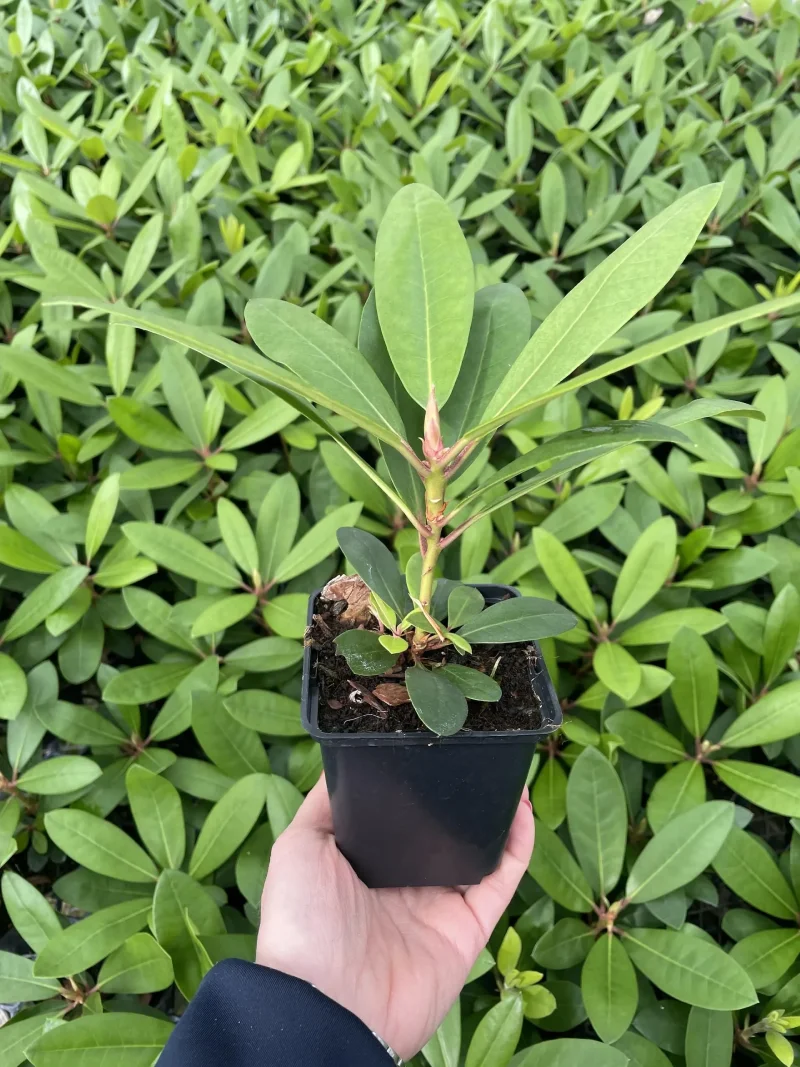
In 1985, a laboratory for in vitro culture of ornamental plants was established. In the first years, seedlings of gerbera, rhododendron, and maple were produced. In the 1990s, cooperation with PHRO Krzeszowice began, and official distribution of their gerbera varieties started. Over time, thanks to our own selection work, the offer was expanded to include rare varieties of gerbera. When the demand for gerbera in Poland decreased, its place was taken by the Phalaenopsis orchid. Our offer also includes our own orchid varieties.
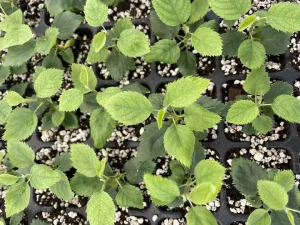
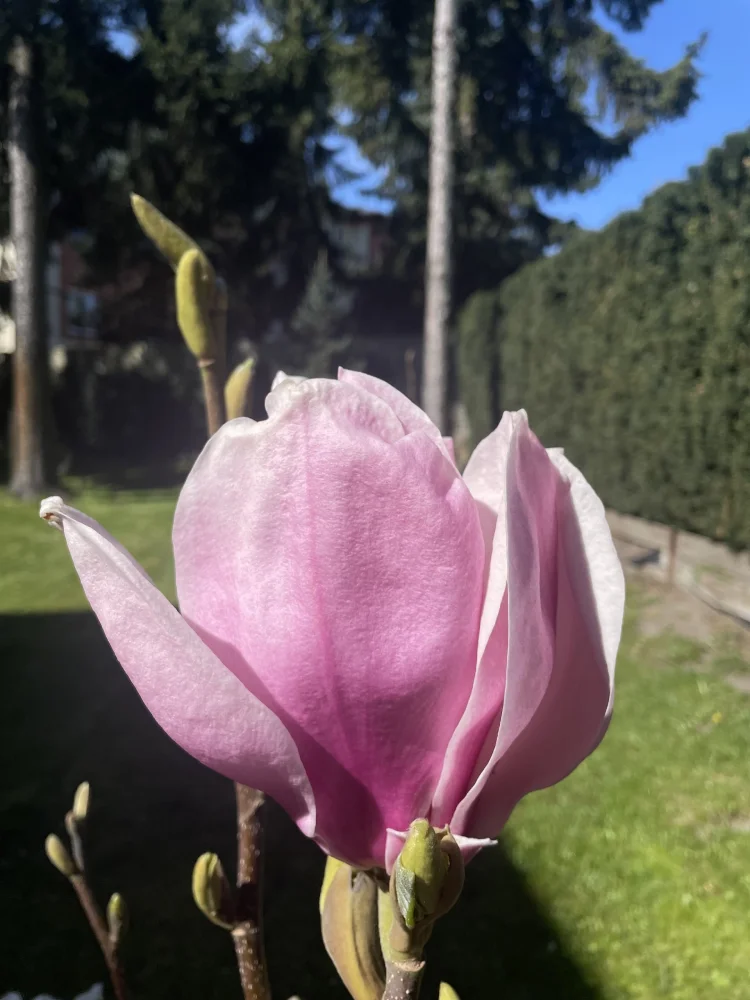
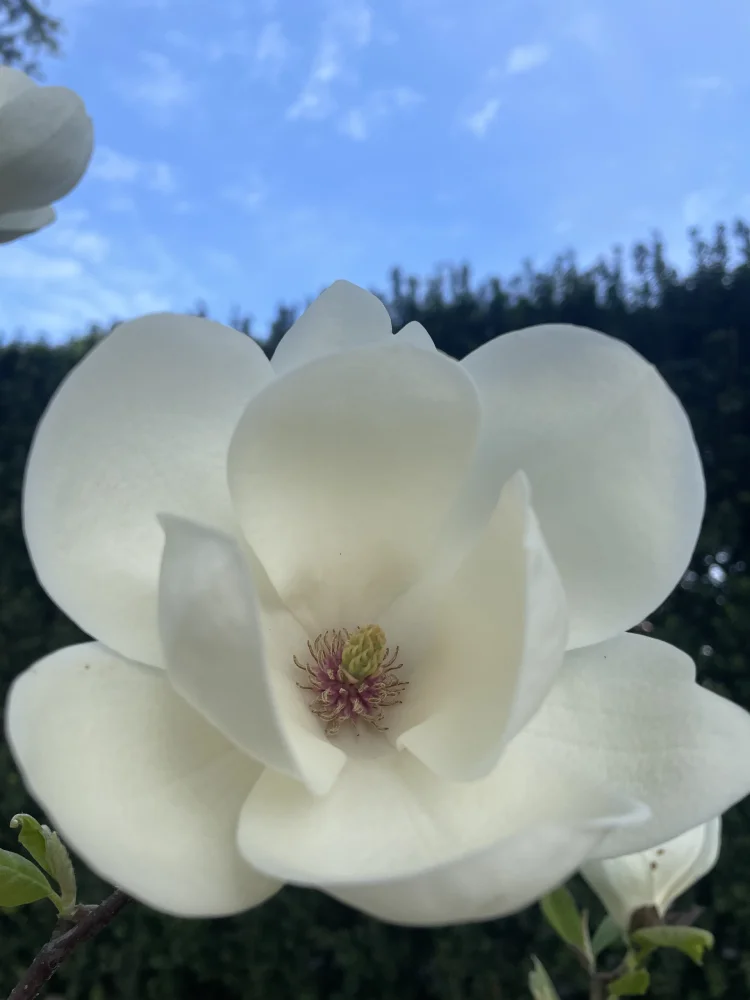
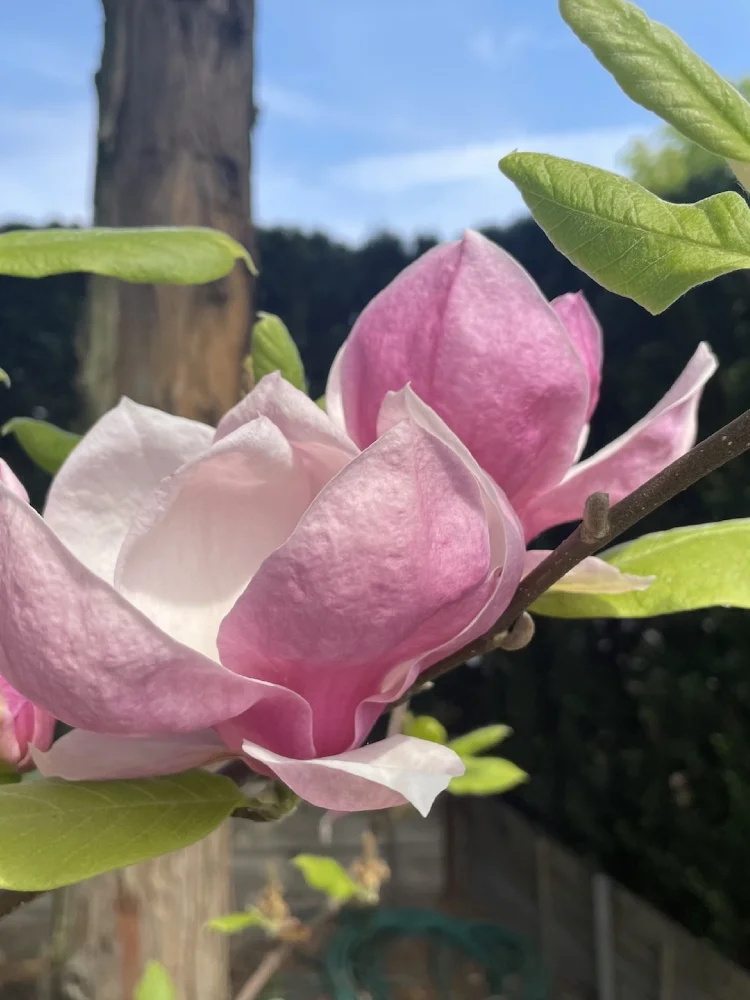
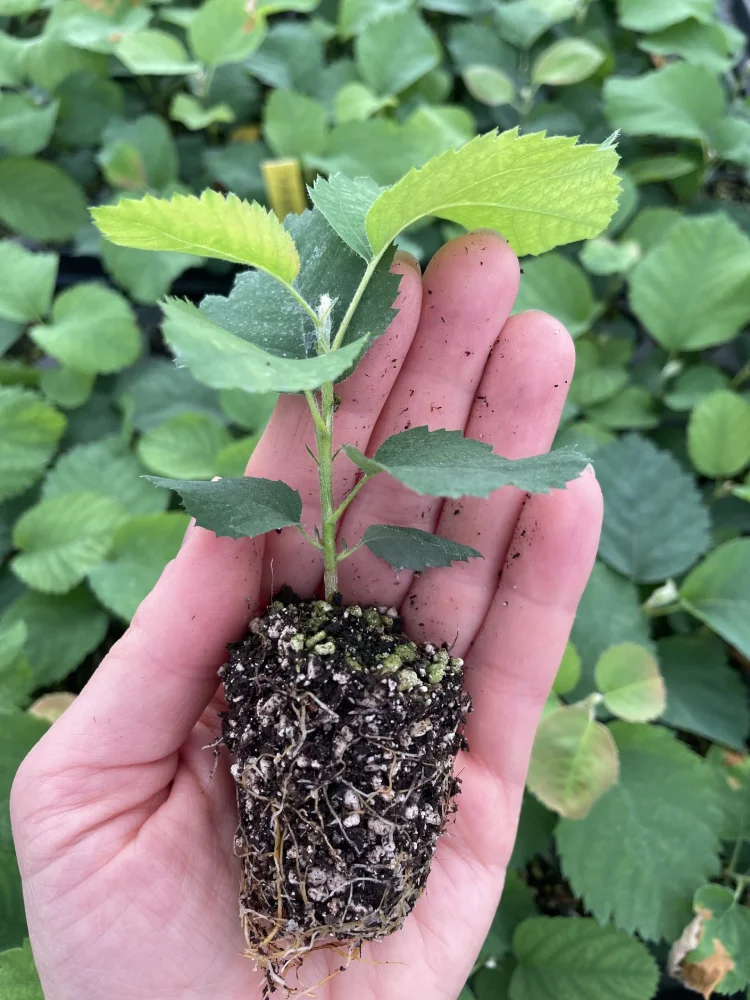
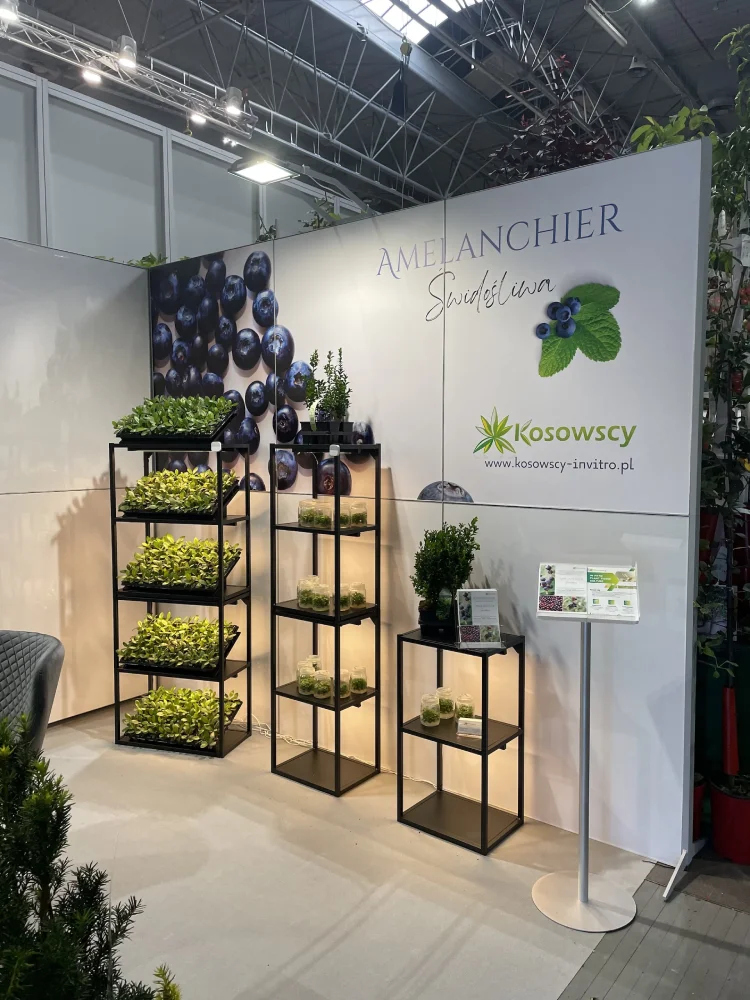
Since 2020, the laboratory has been focusing on the micropropagation of trees and shrubs, both ornamental and fruit, such as magnolia and amelanchier.
Plant propagation in vitro is often meticulous and precise work that requires knowledge and patience. It is a field that combines horticulture, biotechnology, and chemistry, teaching respect for nature.
Our clients present us with new challenges, which is why we have knowledge of the propagation of various plant species. If you are looking for a specific plant that is not in our offer, please let us know. We will be happy to take on a new challenge.
In vitro, translated from Latin, means "in glass." The father of plant propagation using the in vitro method is the Austrian scientist Gottlieb Haberlandt. He was the first to invent the idea of placing plant cultures in glass containers under controlled conditions in 1902. His idea, which at the time seemed a bit crazy, was hindered by an incalculable number of unknowns, so it was not entirely possible to realize his plans. The cells began to grow, but unfortunately, it was not possible to achieve their division. Haberlandt's work inspired other scientists. Independently, in 1927, N.G. Cold and in 1928, F. Went discovered the existence of auxins - chemical compounds that influence plant growth. This discovery was another important event in the research on micropropagation of plants. Thanks to the introduction of auxins, it became possible to regenerate plant organs from tissue in in vitro culture conditions. The next breakthrough was the development of the nutrient medium composition for tobacco propagation in 1962 by Toshio Murashige and Folke K. Skog. Generally, this nutrient medium is named Murashige-Skoog in honor of its creators. The recipe turned out to be so successful that today it is one of the most widely used nutrient media in in vitro cultures. Since then, micropropagation development has continued to evolve dynamically to this day.
The history of our laboratory began in 1984. It was born out of the passion, curiosity, and incredible self-discipline of its founders. Izabela Kosowska, together with her husband Piotr, in communist times, when nothing was available, decided, despite all the difficulties, to realize their plans and create their own laboratory. Poland in the 1980s looked completely different than it does today. Obtaining autoclaves or laminar flow hoods was a significant achievement, as was accessing scientific literature or basic substances. The first plants that began to be propagated in our laboratory were gerberas, to which we still have great sentiment. Over time, Izabela and Piotr's daughter, Anna, got involved in the business. In 2000, still a student, she began conducting selection work and experimenting with cultures of various taxa. The passion passed on to the next generation has contributed to the development of the laboratory.
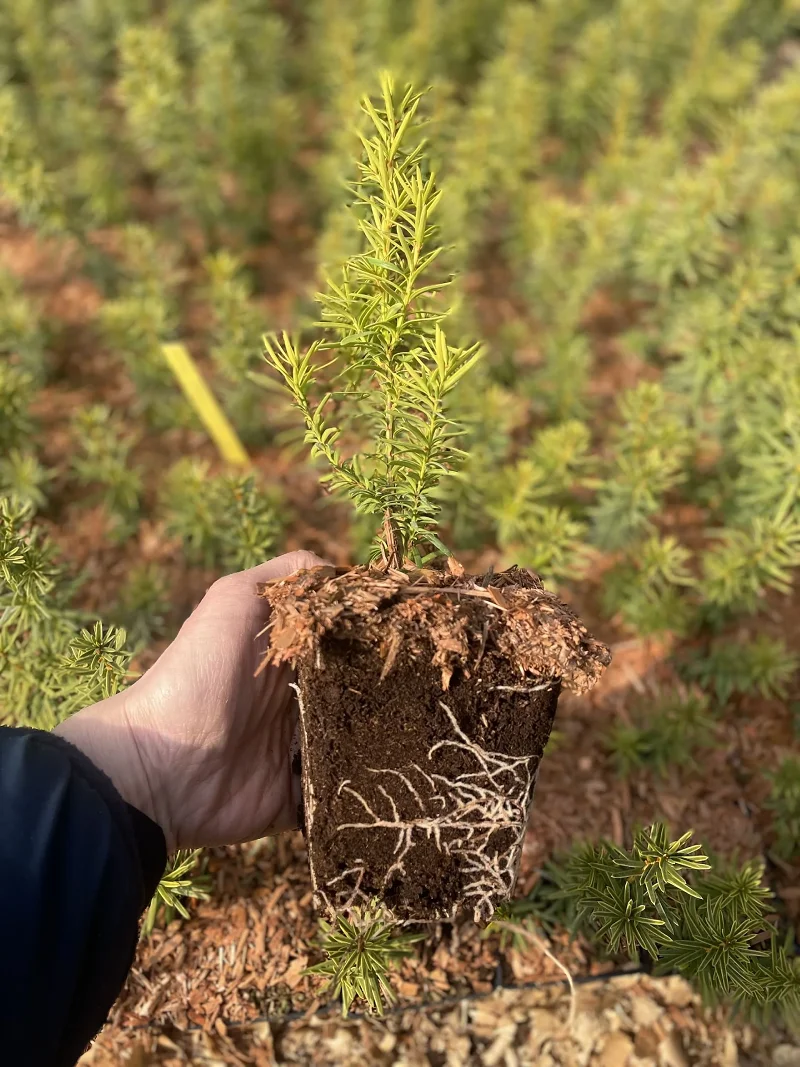
To start a culture, it is first necessary to obtain (isolate) the material. Depending on the plant, the goal of the culture, this can be buds, shoot fragments, apical meristems, and other parts. It is important that the material is clean, and that the sterilization process is carried out so that the obtained culture is sterile. It is also possible to isolate the material in such a way as to obtain virus-free plant material. The next step is to establish the isolated culture, and then its propagation. Propagation occurs on nutrient media that contain the essential nutrients (macro- and microelements) and vitamins with the addition of growth regulators. These are chemical compounds from the group of cytokinins, which play a decisive role in plant propagation. The next step is the rooting of the obtained microplants with the participation of plant hormones from the group of auxins. The final step is the planting of the plants in the greenhouse, where they undergo the acclimatization process. These processes are described in a greatly simplified form. The rate of growth and propagation coefficient can vary significantly within the same species depending on the variety. Often, the availability of a nutrient medium recipe is only the tip of the iceberg. The implementation of a propagation protocol in practice is associated with a series of minor and very significant processes, and at each stage, unforeseen difficulties may arise.
What fascinates us most about this work? It's that nothing is certain! No plant is like another. We can never be sure how it will respond to our efforts. A great reward is the satisfaction when, after many attempts, we manage to establish a culture, and we see how beautifully it develops. This is the greatest reward for all the months, and sometimes years, of attempts, hours spent on literature, analyzing all failures and minor successes on the way to the goal. These are endless hours of constructing new nutrient media, developing optimal division methods, and many other processes. The moment we see everything starting to come together into a successful whole, when the plant responds to us with its growth, color - this is the moment worth striving for.
Propagation using tissue culture has many positive aspects. Thus, plants that are difficult or very slowly propagated by traditional methods are multiplied. However, due to high costs, the need for specialized equipment, and qualified personnel, this technique is used to propagate valuable, rare, or newly selected plants that we want to introduce to the market quickly. The technique also requires determination, consistency, and a lot of patience, which fortunately we have in abundance.
We deliver coniferous seedlings throughout Poland and Europe. We cooperate with transport companies specializing in plant transportation.